

Measure A is a local, five-year ⅝-cent sales tax that generates $330 million annually to protect healthcare access in Santa Clara County.
It's a temporary but essential response to massive federal healthcare cuts that threaten to shut down emergency rooms, trauma centers and local clinics. Measure A ensures that every dollar stays in Santa Clara County, with strict independent audits and oversight to keep lifesaving care available for everyone. Access our one-pager here in English, Chinese, Spanish, or Vietnamese.
How did this happen?
President Trump and Congress passed H.R.1, a federal law that took billions away from public health. It added new work rules for Medi-Cal and food aid, blocked coverage for undocumented adults, and created red tape that makes it harder for people to get care.
How will this affect me and my family in Santa Clara County?
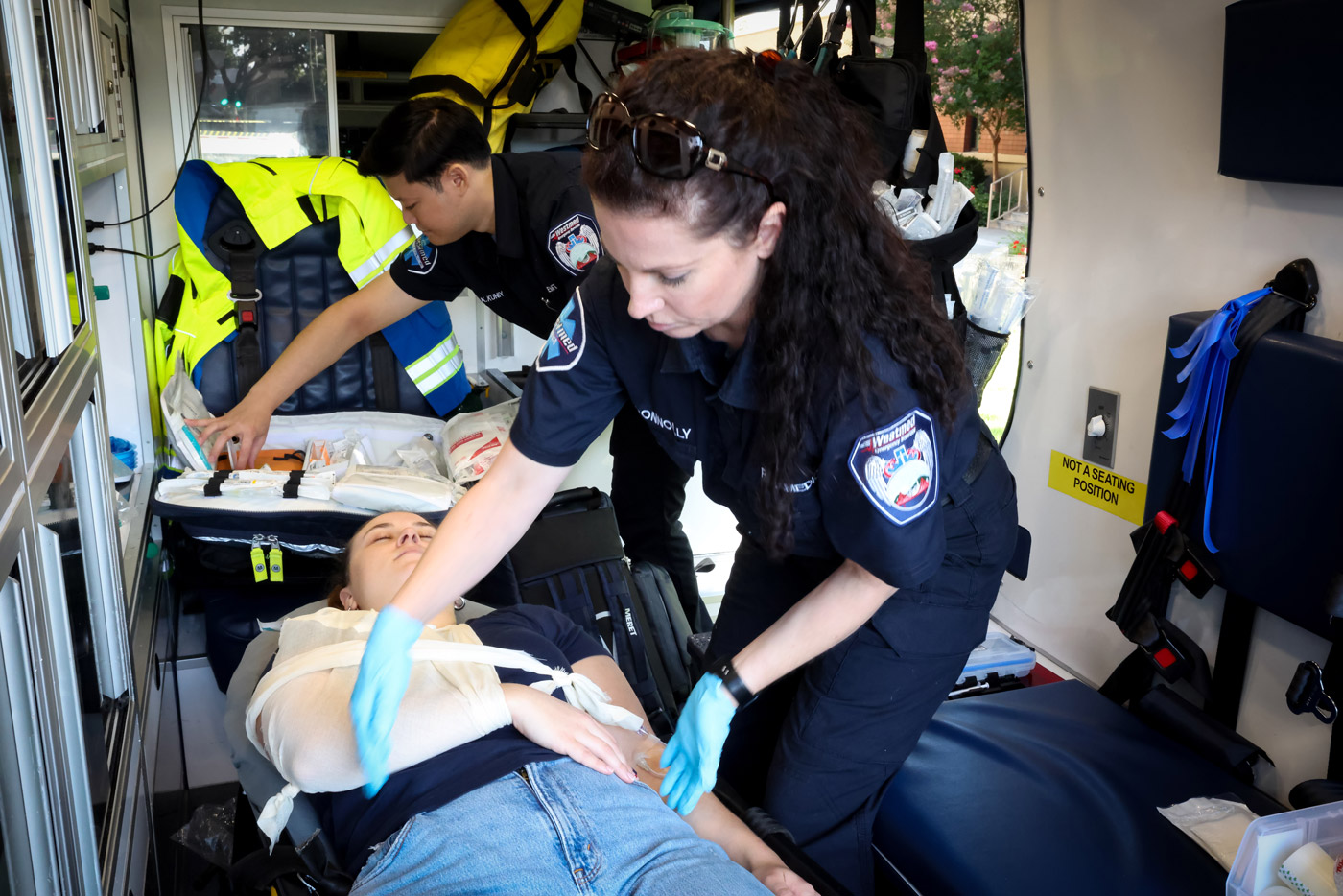
The new federal law takes $1 billion a year from our local healthcare system, equal to the entire annual budget of O’Connor Hospital, Regional Medical Center, and Saint Louise Regional Hospital combined. These hospitals, along with Santa Clara Valley Medical Center, handle nearly half of all emergency room visits in the county—about 750 visits every day—and run two of our three trauma centers. Cuts of this size mean longer wait times, fewer doctors, and possible closures, affecting everyone, even those with private insurance. Critical mental health, burn, and stroke services are also at risk, along with public safety and other county programs that rely on the same shrinking budget.
Where will Measure A funds go?
The money stays right here in Santa Clara County—not Sacramento, not Washington. It will protect:
- Emergency rooms and trauma centers
- Mental health care
- Cancer and burn treatment
- Clinics for seniors, kids, and people with disabilities
Is this tax forever?
It’s temporary. Just five years. After that, it ends unless voters decide to renew it.
How do we know the money will be used right?
Measure A has some of the strongest accountability rules of any local tax measure—written into the law—so voters can be sure the money goes exactly where it’s promised. This isn’t a blank check. It’s a temporary, transparent, local solution to protect our hospitals and clinics during a time of crisis—and you’ll be able to see exactly how it’s working. A citizen-led Independent Oversight Committee, made up of people from our community, will review spending and issue public reports every year. Annual independent audits by professional auditors, not connected to the County, will review the finances every year to make sure every dollar is spent as voters approved. All spending reports will be posted online and available for anyone to see. This way, you can track where the money goes and what it funds. By law, every cent must stay in Santa Clara County. Sacramento and Washington cannot touch it. None of the funds can be used for political campaigns, lobbying, or administrative salaries. Measure A only lasts five years. When it ends, voters must decide whether to renew it.
What happens if we wait?
Without Measure A, we fall behind, and the damage will be harder to undo. The County already faces a massive budget gap, and the new federal law adds a $513 million shortfall in FY 2026-27, growing to over $1 billion by FY 2027-28. If we delay until the November 2026 election, new revenue wouldn’t arrive until April 2027, long after deep cuts to hospitals, mental health care, and public safety take effect. Once services close, they’re costly and slow to restore, putting lives and community well-being at risk.
Is this a regressive tax on low-income taxpayers?
This short-term local funding is part of a fiscally responsible, three-part plan to keep our hospitals open, alongside state support and county cost-saving measures. While the tax is regressive at collection, its benefits are progressive, directly helping the communities most in need. The result is a fairer, stronger healthcare system.
Inaction would cost far more—closing hospitals, straining emergency rooms, and putting lives at risk. Measure A protects public health, saves lives, and ensures care is there when we need it most.

Do cuts to Medi-Cal increase costs for everyone?
When Santa Clara County residents lose Medi-Cal, they don’t stop needing care—they turn to our public hospitals and ERs. Santa Clara Valley Healthcare handles nearly half of all ER visits in the county—about 750 every day—and is legally required to treat everyone, regardless of insurance. Without Measure A, those hospitals will be overwhelmed, and wait times, costs, and closures will hit everyone, insured or not.
Cuts to Medi-Cal mean huge losses for our local system, equal to the entire $1 billion annual budget of O’Connor, Regional, and Saint Louise hospitals combined. When hospitals lose funding, they shift costs to private insurers, which raises premiums for everyone. In California, similar financial pressures and hospital–insurer consolidations have pushed marketplace premiums up 12%, specialist prices up 9% and primary care prices up 5%. Santa Clara County is not immune.
Who will be most hurt if Measure A fails?
People who rely on Medi-Cal, local clinics—1 in 4 residents in our county. Seniors, people with disabilities, working families, and children will lose care when they need it most. The result could be higher premiums, increased costs and fewer resources for everyone, resulting in longer waits for emergency rooms and decreased access to care overall.
Who supports Measure A?
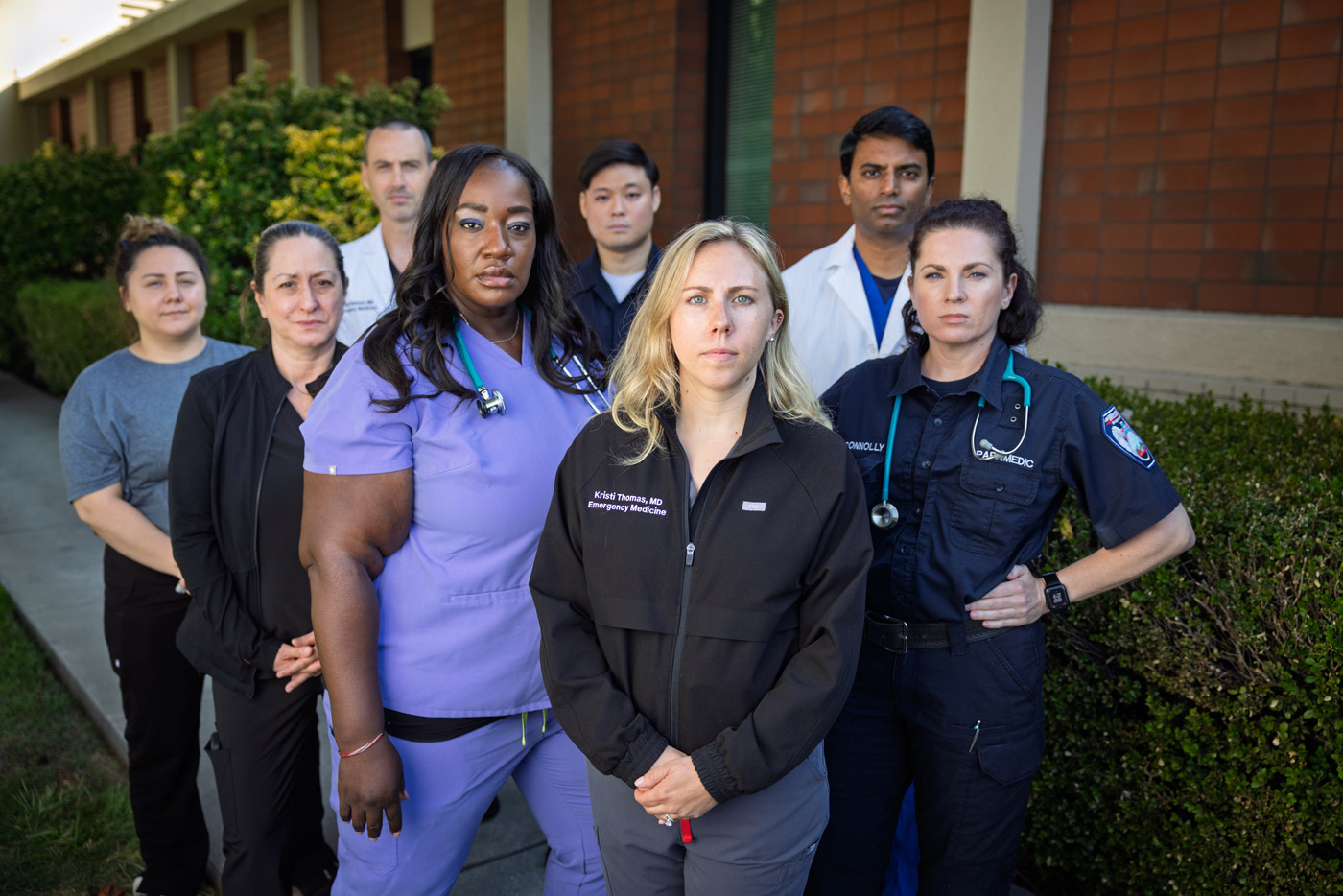
Doctors, nurses, mental health workers, and local leaders—the people who care for our community daily—know how urgent this is. That’s why they are joining elected officials, community groups, neighborhood associations and labor unions in supporting Measure A. See our full list here.
Where can I find the text of the sales tax measure ordinance?
You can read the ordinance text passed by the Santa Clara County Board of Supervisors placing the measure on the ballot here.
What are the important election dates?
The election is on November 4, 2025. You can vote by mail, drop box, or in person. Just don’t wait—every vote matters. The last day to register to vote in the Special Election is Monday, October 20, 2025. The last day to mail in your ballot is on or before Election Day (November 4, 2025). Your ballot must be postmarked by this date and received by the Registrar of Voters no later than 7 days after Election Day.
Do you like this page?